

Artificial Intelligence in the Marine Industry: Transforming How the Seas Are Run
Artificial intelligence (AI) is no longer a futuristic concept for the maritime industry — it’s rapidly becoming a core part of how vessels navigate, fleets operate, and ports manage traffic and cargo. At its simplest, AI refers to computer systems that can process large amounts of data, recognize patterns, make predictions, and offer recommendations that would be impossible at scale for humans alone. Across the marine sector, these capabilities are driving efficiency, safety, and performance improvements that were previously unattainable.
Market Growth and Adoption
The global market for AI applications in maritime technology is expanding quickly. In 2024, the maritime AI market was valued at approximately $4.13 billion, nearly triple its size from the prior year, and is projected to continue growing at a strong pace over the next several years. Lloyd's Register Research forecasts show the maritime AI market could reach tens of billions by the end of the decade as adoption expands across navigation, predictive maintenance, fleet optimization, and port operations. Grand View Research
North America is already a leading region for marine AI technology adoption, driven by investment in smart shipping, port automation, and advanced fleet analytics. Grand View Research However, despite strong enthusiasm — with industry surveys showing over 80 % of maritime professionals believe AI can improve efficiency and a similar number running pilot projects — only a small fraction of companies have fully defined strategies or trained personnel to scale AI effectively. Maritime Executive
How AI Is Being Used Today
AI’s practical applications in the maritime context are varied and growing:
- Navigation & Route Optimization: AI can analyze weather, traffic, fuel use, and historical patterns to suggest more efficient and safer routes, reducing cost and environmental impact. Windward
- Predictive Maintenance: By monitoring sensor data in real time, AI identifies signs of equipment wear or failure before breakdowns occur, cutting downtime and maintenance cost. MITAGS
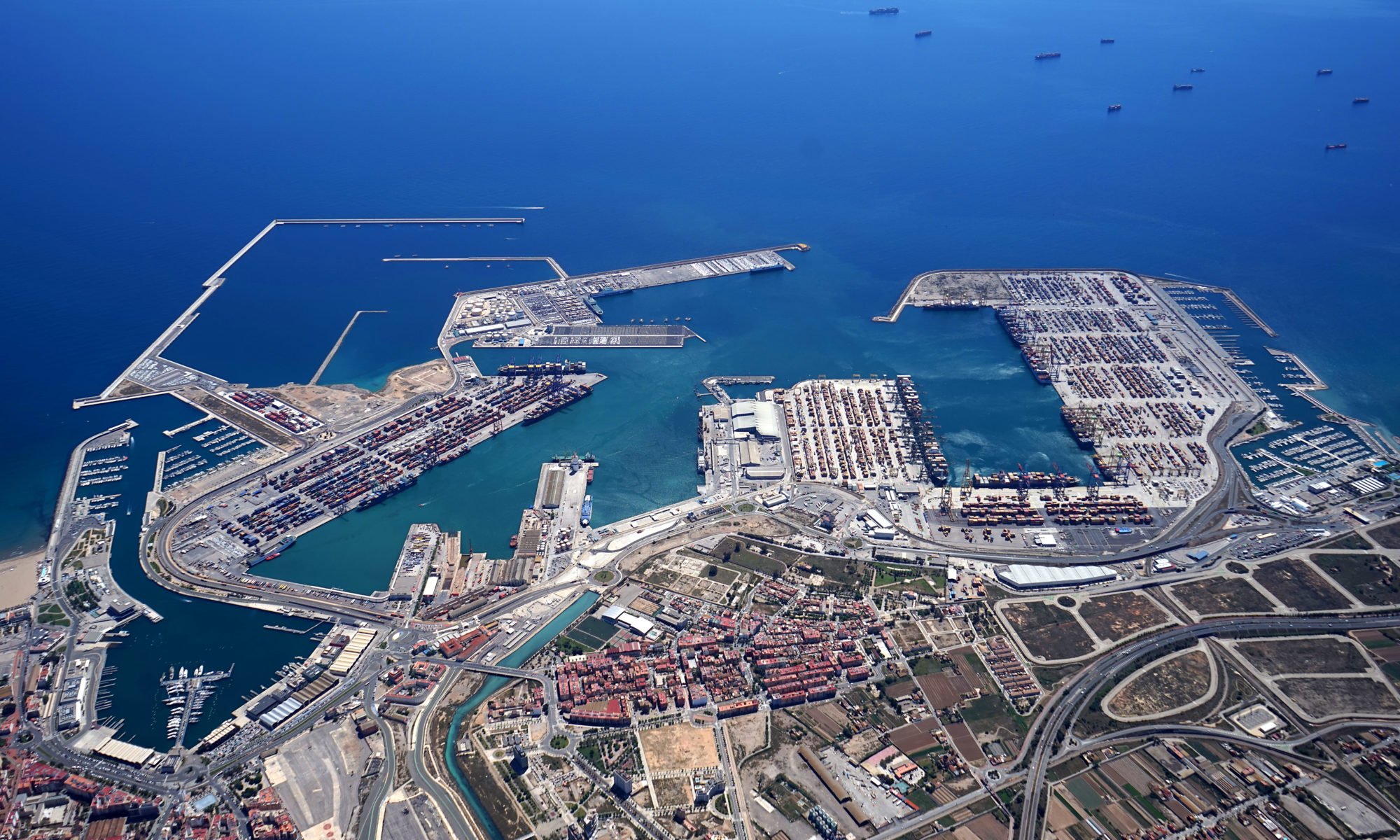
- Fleet & Port Efficiency: AI tools are deployed in port logistics to predict congestion, optimize berth allocation, and streamline cargo handling — reducing turnaround times and improving throughput. Global Trade Magazine
- Operational Decision Support: Systems that combine machine learning with real-time inputs help operators make better decisions under complex conditions, from weather disruptions to traffic patterns. Alg Global
These real-world applications are not limited to large commercial fleets. AI-driven technologies are also being tested on autonomous surface vessels, robotic hull maintenance systems that improve fuel efficiency, and advanced situational awareness platforms in ports. Daily Telegraph
Challenges and Human-Centered AI
Despite the benefits, integration isn’t without challenges. Many maritime companies report difficulty scaling beyond pilot projects because of organizational, technical, and skill gaps. Ocean News Adoption often depends on aligning AI systems with existing infrastructure, ensuring data quality, and training personnel to work effectively with new tools. California Management Review In practice, maritime professionals emphasize that AI should augment human decision-making rather than replace it, with the industry broadly favoring “human-in-the-loop” approaches where experts guide and verify AI-generated insights. Ocean News
Strategic Impacts and the Future
The broader impact of AI in maritime goes beyond efficiency or cost savings. Governments and defense organizations are investing heavily in AI to accelerate shipbuilding and overhaul legacy systems. For example, the U.S. Navy committed hundreds of millions of dollars to AI-driven shipbuilding platforms that dramatically reduce planning and production timelines — turning processes that once took months into minutes. New York Post
Looking ahead, AI’s role in maritime promises not just better operations but fundamental shifts in how vessels, fleets, and ports interact. From autonomous navigation to dynamic supply-chain optimization and greener, more sustainable operations, AI is set to redefine what’s possible at sea.