.png)

The brain that becomes the boat

The Brain That Becomes the Boat
Most boats have electronics. They have screens, alarms, and data. But the vessel itself is still not connected. Navigation sits on one display, engine health sits somewhere else, power and pumps live on another page, and alarms come in like noise. When something goes wrong, the boat does not help you solve it. It throws warnings and expects you to figure it out while you are still driving, docking, and keeping everyone safe. That is the real problem. Not a lack of data, but a lack of understanding and control.
The Brain changes that. This is not an add on screen, and it is not just a dashboard with nicer graphics. It is the vessel’s core. When it is installed, it is not sitting next to the boat like a separate gadget. It becomes part of the boat. It reads the vessel, understands the vessel, and controls the vessel through one connected layer. That is why it feels different. You are not just looking at the boat anymore. You are operating a system that knows what is happening and can tell you why.
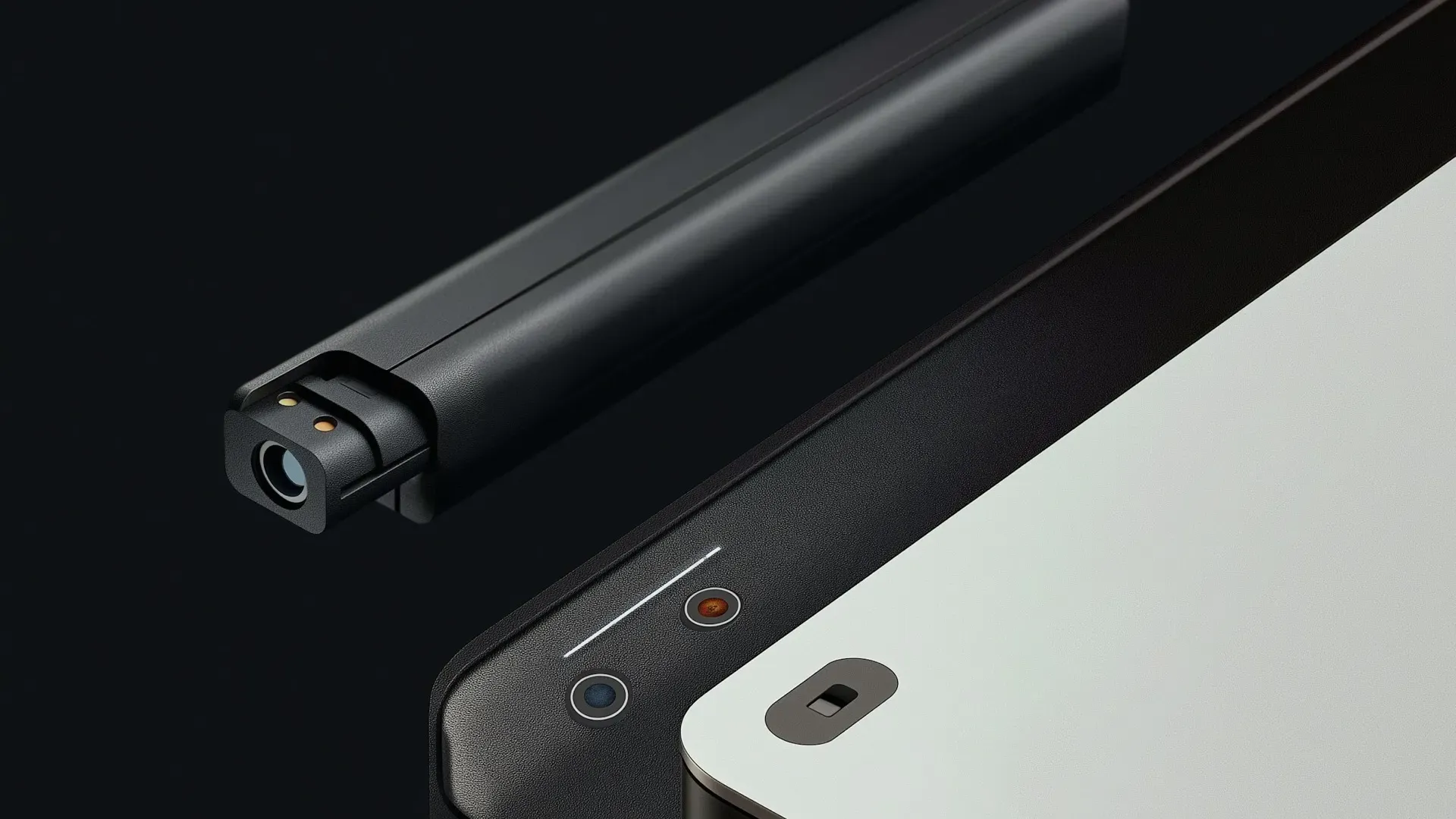
We built it simple because marine needs simple. Boats live in salt, heat, vibration, and motion. Hardware has to mount clean, wire clean, and survive real use. If the core is complicated, service becomes harder, failures become more likely, and adoption becomes slower. So the physical design stays clean and practical. One compact unit. Clean connections. A clear path into the vessel’s key systems. The power is not in the shape of the box. The power is in what the Brain does once it is connected.
Once the Brain is wired into the vessel, it stops being a viewer and becomes an operator. Most marine systems can only watch. The Brain can act. It ties into the systems that make the boat operate, including propulsion, steering, power distribution, and critical safety equipment. That is why we say the Brain is the boat. It is connected at the level where real control happens, not just at the level where data is displayed. It can support real actions in real time, with rules, safety limits, and clear behavior you can trust.
At its core, the Brain runs one loop nonstop. It reads the boat every second. It cleans and organizes signals so the data matches reality. It checks what is normal for your vessel and what is starting to drift. It ranks risk so you focus on what matters first. It guides action based on clear priorities. And it logs everything so decisions are traceable and explainable. That loop is what makes the vessel feel calm even when conditions are not. It does not wait for a problem to get loud. It catches problems while they are still quiet.
On top of the Brain sits the AI Co Captain. This is the voice and decision layer that turns the system into something you can work with naturally. The Co Captain is not there to sound smart. It is there to keep you safe and keep the vessel clear. It speaks like a trained crew member. It tells you what changed, why it matters, and what to do next. It does not spam alerts. It makes the situation understandable. If you ask why, it can answer. If it recommends an action, it explains the reason behind it. That is how trust is built on the water.
The bigger idea is that the Co Captain is not one assistant doing one job. It acts like many captains on board at the same time. One is focused on navigation and route safety. One is watching traffic and collision risk. One is tracking the boat’s operating limits so you do not push systems past safe ranges without realizing it. One is watching propulsion health, cooling, and load so the vessel is not quietly stressing itself while everything looks fine. One is sorting alarms so you are not forced to treat every warning like an emergency. One is supporting docking and close range control when pressure is high and mistakes are expensive. One is watching long term maintenance trends so small issues get handled before they become failures. They all share the same truth because they all run on the same Brain. That is what makes the system feel like a real crew.
This becomes real in the moments that usually create stress. Instead of an alarm that tells you nothing, you get a clear message that tells you what the boat is seeing and what it means. Instead of guessing if a warning matters, you get severity and next steps. Instead of calling a tech and trying to explain what happened, you have logs, trends, and a timeline that can be handed off clean. Instead of finding out about problems after damage occurs, you get early warnings when the fix is still simple. Instead of docking with your heart racing, you get support that keeps control steady and reduces over correction. It is not about flashy tech. It is about reducing human error and lowering the cost of ownership.
The Brain also changes how operators think about power, not as a single number but as a system that needs supervision. On many vessels, power issues show up as dead electronics, weak starts, weird faults, or systems that fail at the worst time. The Brain watches power distribution, load behavior, and system stability, and it protects critical systems first. It helps prevent the slow damage that happens when people push a boat because they do not realize what is happening under the surface. It makes the vessel more stable and more predictable, which is what confidence really is.
None of this works if the system is unpredictable. A boat cannot be smart if you cannot trust it. So control is built on strict rules. The operator stays in charge. Major actions require approval. Safety limits are hard limits. If something fails, the boat stays controllable. The system must be able to explain itself. If it cannot explain, it should not act. That is what separates a real marine core from a toy.
The result is simple. The Brain turns the vessel from separate parts into one connected system. The AI Co Captain turns that system into a crew. That is how you bring a boat to life. Not with more screens. With a real core that understands the vessel and supports the operator on every trip, in every condition, with control that stays clear.