
Marine Tech and Autonomous Systems Are Entering a Real Growth Cycle (Global Market Update, January 2026)

Marine technology is moving into a new era worldwide. What used to be a hardware-first industry is becoming a systems and software race, driven by real pressure: safety risk, rising operating costs, labor constraints, tighter regulation, and the need to keep fleets running with less downtime. Autonomy in marine is not a sci-fi pitch anymore. It is showing up as practical intelligence on board and off board, giving operators better awareness, better decisions, and faster response when conditions change.
The market is growing, even if forecasts use different definitions
Different research firms size the market differently depending on what they include (commercial autonomous ships only, defense uncrewed systems, onboard electronics, cloud platforms, and port digitization). But the direction is consistent: strong growth in autonomous vessels and even larger growth in the digitization layer that powers modern fleets.
One example is Mordor Intelligence’s autonomous ships forecast, which estimates the market at $7.63B in 2026 growing to $12.05B by 2031.
At the broader level, Research and Markets estimates “maritime digitization” at $224.4B in 2024, projected to $377.5B by 2030 (which captures the bigger transformation across ports, fleets, and supporting software).
The takeaway is simple: the intelligence layer is becoming a core part of marine operations, not an optional add-on.
What “autonomy” really means in marine right now
Most of the real progress is not about fully crewless ships. Growth is coming from autonomy that improves day-to-day operations:
- Collision avoidance and decision support
- Remote monitoring and shore-side assistance
- Condition-based maintenance and predictive diagnostics
- Docking support and station keeping in constrained environments
- Uncrewed surface and underwater systems for defense and inspection
This is the same adoption curve we saw in automotive: assistance first, automation of specific tasks next, and higher autonomy where it is safe, regulated, and economically justified.
Regulation is catching up, and that accelerates adoption
When regulators and standards bodies start building clear frameworks, it signals that the market is leaving “pilot projects” and moving toward repeatable deployments.
The International Maritime Organization has been actively developing its approach to Maritime Autonomous Surface Ships (MASS), including recent events centered on the need for an IMO MASS Code.
On the assurance side, DNV introduced the Autonomous and Remotely Operated Ships (AROS) class notations, effective January 1, 2025, laying out structured categories and modes for autonomy and remote operations.
This matters because marine is a trust industry. Standards, class frameworks, and compliance pathways are what turn emerging tech into something operators can adopt at scale.
Cybersecurity is now a hard requirement, not a nice-to-have
As vessels become connected, they also become targets. That reality is now being formalized through enforceable rules.
The U.S. Coast Guard’s final rule on Cybersecurity in the Marine Transportation System took effect July 16, 2025, including immediate cyber incident reporting requirements and additional compliance milestones.
For marine tech companies, this shifts cybersecurity from “engineering best practice” into a core product requirement. The winners will be the ones that treat security as foundational, not as a bolt-on after deployment.
Digital twins and “fleet intelligence” are becoming normal
A major part of the growth is not just autonomy on the water, but intelligence across the entire lifecycle: design, commissioning, operations, maintenance, and incident review.
Markets and Markets recently projected “digital twin in marine” growth from $0.59B in 2025 to $2.40B by 2032, reflecting accelerating adoption across shipbuilders, ship operators, ports, and offshore operators.
This supports a broader shift: vessels are becoming data platforms, where the real advantage is not one feature, but a system that learns from every trip, every fault, and every close call.
Decarbonization is pushing software forward
Shipping is under growing pressure to decarbonize, but the path is messy. Fuel choices are still competing (methanol, ammonia, hydrogen, biofuels), and infrastructure is uneven. In that environment, digital optimization is one of the fastest levers available now: route optimization, energy management, maintenance planning, and performance tracking.
That is why the “green transition” is also a “systems transition.” Even before new fuels fully scale, operators still need intelligence systems that reduce waste and increase efficiency.
Global trade volatility is increasing the value of resilience
Route changes, chokepoint disruption, conflict risk, and climate pressure have made maritime operations more unpredictable. UNCTAD has been explicit that maritime transport and logistics need to embrace digitization and investment to improve resilience and supply chain performance.
In plain language: when the world gets less stable, the value of better situational awareness, faster decisions, and higher uptime goes up.
Where the next wave of deployment is happening
The fastest adoption tends to cluster in four places:
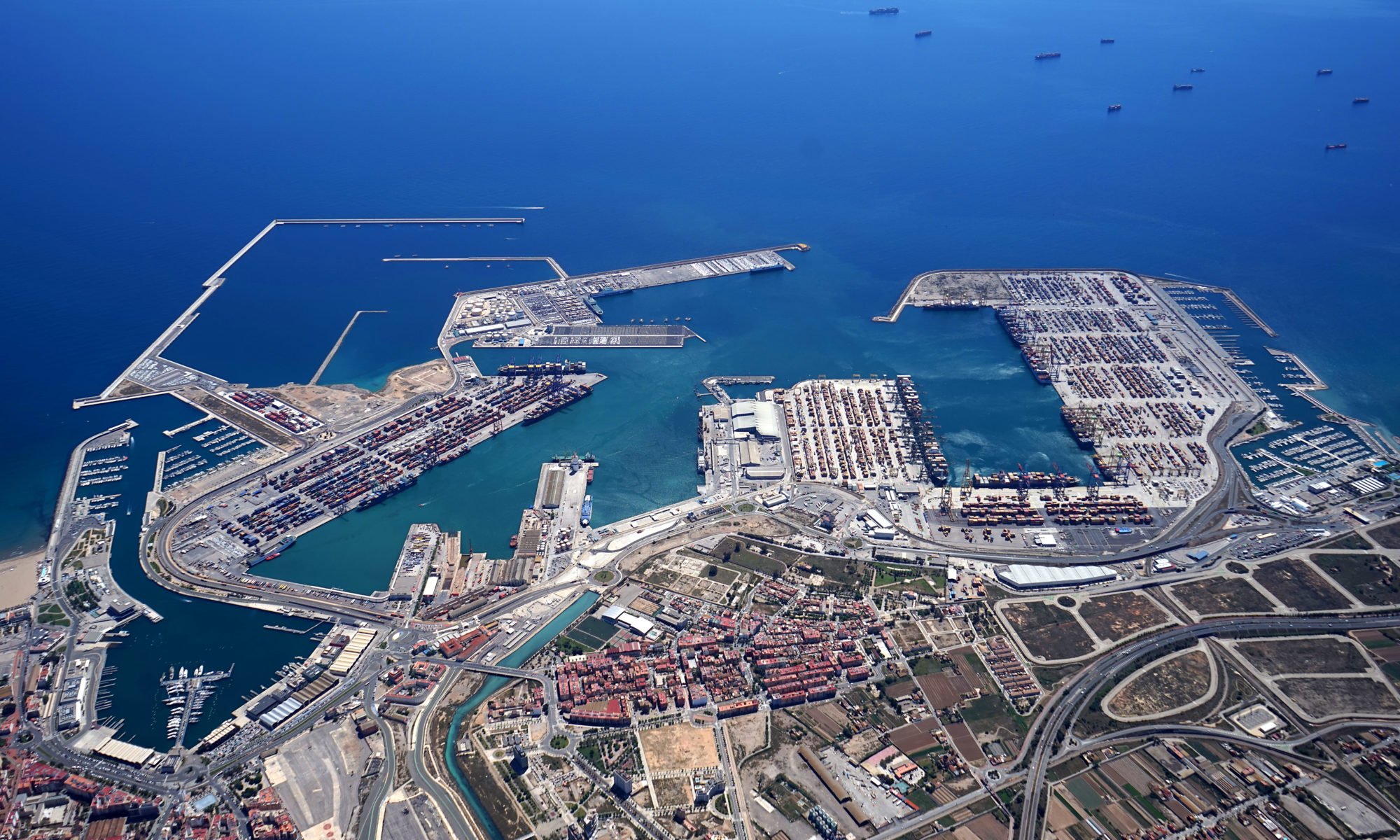
- Ports and terminals adopting AI, optimization tools, and digital platforms for throughput and safety
- Commercial fleets deploying decision support, monitoring, and maintenance intelligence
- Defense and security expanding uncrewed systems and maritime awareness capabilities
- Classification and regulatory frameworks making autonomy and remote operations easier to certify and trust
What this means for modern marine tech
The market is not asking for hype. It is asking for systems that work in the real world and reduce risk. The winning marine tech platforms will be:
- Auditable and trustworthy
- Secure by design
- Retrofit-friendly across mixed fleets
- Built for onboard compute plus cloud operations
- Designed around how crews, ports, and operators actually work
The marine industry is moving toward a new standard: vessels that can see more, understand more, and respond faster, while staying compliant and safe. That shift is already underway, and the global growth is following.
Sources:
Mordor Intelligence – Autonomous Ships Market (2026–2031 forecast)IMO – Autonomous shipping (MASS topic page)IMO – MASS Symposium 2025 event pageDNV – AROS class notations press release (Jan 15, 2025)DNV – AROS class notation overview pageU.S. Coast Guard – Final Rule: Cybersecurity in the Marine Transportation System (implementation timing)GovInfo – Federal Register entry for the USCG cybersecurity rule (Jan 17, 2025)UNCTAD – Review of Maritime Transport 2024 (publication page)UNCTAD – Review of Maritime Transport 2025 (publication page)Research and Markets – Maritime Digitization Market (2024–2030)MarketsandMarkets – Digital Twin in Marine press release (forecast to 2032)Reuters – Shipping industry decarbonization and uncertainty (Jun 4, 2025)Reuters – UNCTAD: volatility in shipping and 2025 slowdown (Sep 24, 2025)