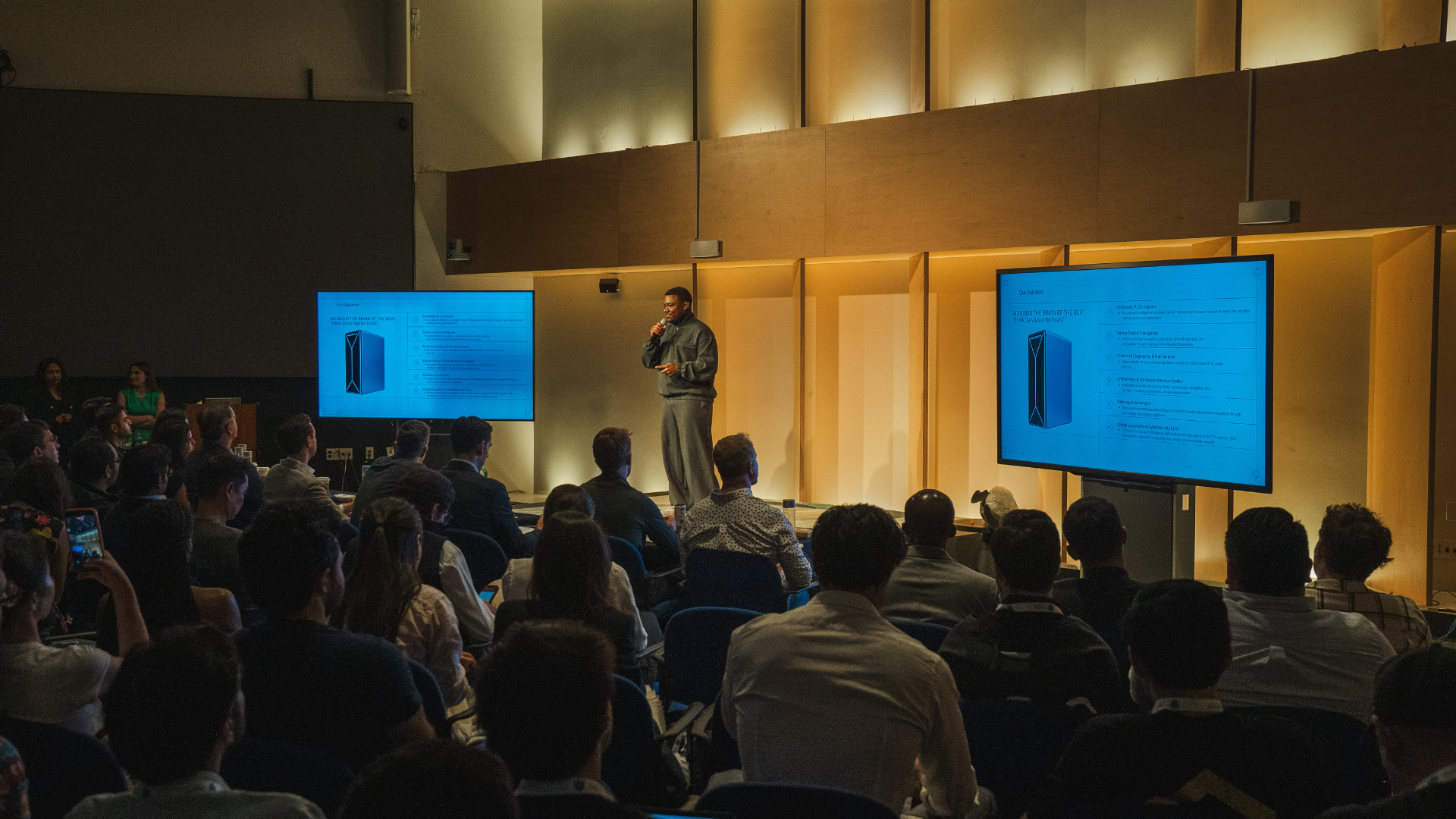


Throughout the week, CEO Tyler Temple and members of the Pollentia team are meeting directly with boat owners, manufacturers, fleet operators, and media to continue a growing pipeline of conversations that are now shifting into real deployments. The company is using the show as a working environment to advance active deals, walk through integration opportunities on vessels, and align with partners on execution timelines.
“This is where things get real,” said Tyler Temple, CEO of Pollentia. “We’re not here just to show up. We’re here to sit down with owners and builders, step onto vessels, and map out exactly how this system gets installed and scaled across fleets.”
Turning Industry Conversations Into Deployments
Over the past several months, Pollentia has built strong engagement across the marine ecosystem, including recreational builders, commercial operators, and strategic partners. The Palm Beach Boat Show represents a key inflection point where early discussions are transitioning into structured pilots, installations, and long-term integration programs.
The team’s schedule throughout the event is focused on:
- In-person meetings with boat owners seeking better visibility, control, and safety on the water
- Technical and commercial discussions with manufacturers exploring OEM integration
- Walk-throughs of vessels to assess retrofit and embedded system opportunities
- Media interviews highlighting the broader shift toward intelligent marine systems
Pollentia’s approach is grounded in execution. Rather than positioning itself as an add-on technology provider, the company is working to become the core intelligence layer within the vessel itself.
.jpeg)
A Shift Away from Fragmentation
The marine industry has long been defined by fragmented systems. Navigation, propulsion, diagnostics, and monitoring tools often operate independently, creating gaps in awareness and inefficiencies in operation and maintenance.
Pollentia is addressing this directly by delivering a unified onboard system that connects these functions into a single intelligence layer.
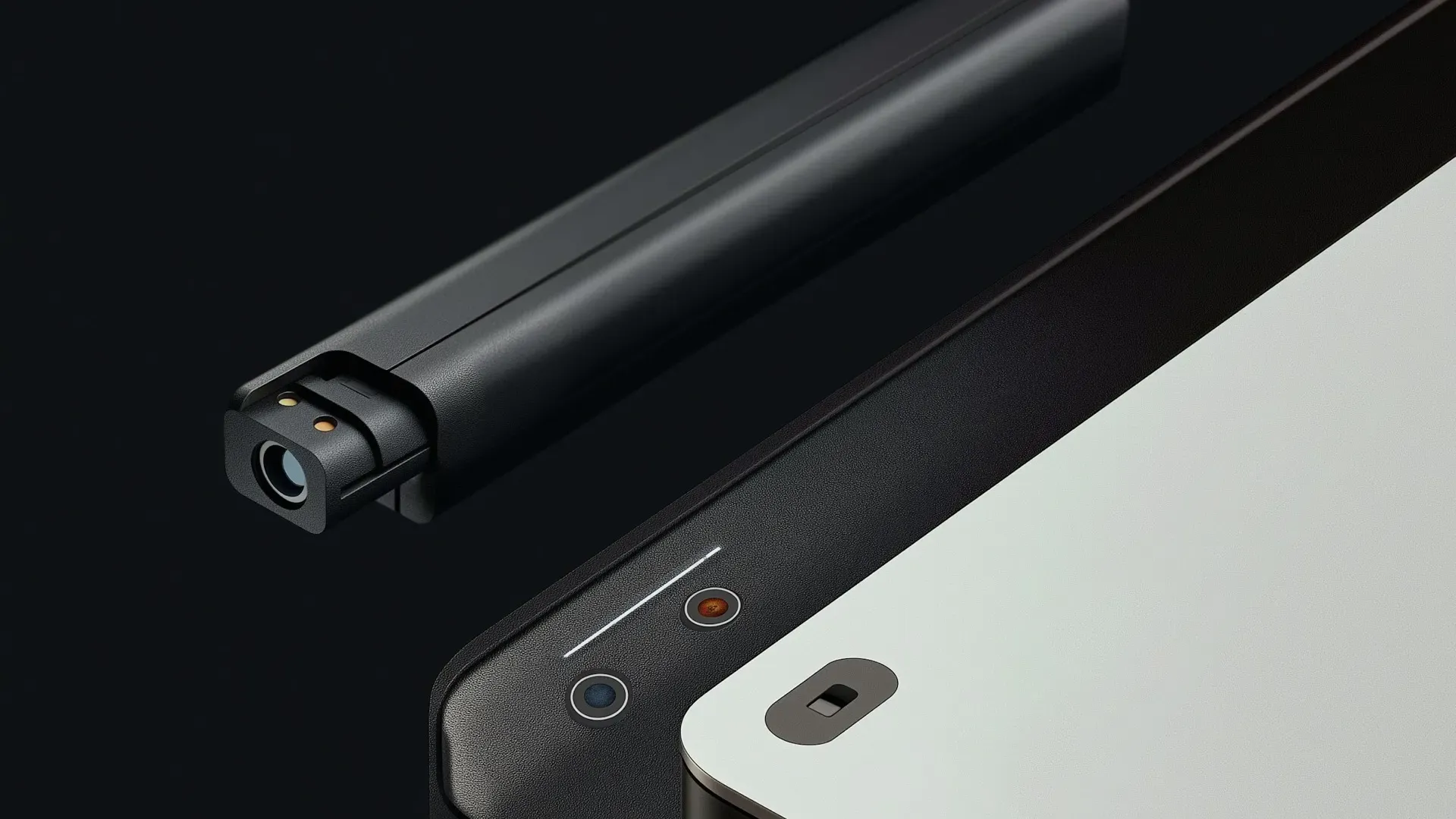
Its platform integrates onboard computing hardware, multi-sensor inputs, cameras, navigation data, diagnostics, and cybersecurity into one system that operates continuously. This system enables vessels to:
- Understand their environment in real time
- Assist operators with navigation and situational awareness
- Monitor system health and detect issues before failure
- Reduce human error through intelligent assistance
- Continuously improve through software updates and data feedback
Instead of relying on isolated electronics, vessels equipped with Pollentia’s system function as connected, learning platforms.
Value for Owners, Manufacturers, and Fleets
For boat owners, the shift to embedded intelligence brings immediate and practical benefits. Operators gain a clearer understanding of their surroundings, improved safety through real-time alerts, and reduced uncertainty when it comes to maintenance and system performance.
For manufacturers, Pollentia offers a standardized, scalable foundation that can be embedded directly into new builds. This allows builders to move away from piecing together third-party systems and instead deliver a cohesive, modern vessel architecture that evolves over time.
For commercial fleets, the system enables centralized monitoring, predictive maintenance, and operational consistency across multiple vessels. This translates into reduced downtime, lower maintenance costs, and improved overall fleet performance.
.jpeg)
Embedded Intelligence as the Next Standard
The conversations happening at the Palm Beach Boat Show reflect a broader shift already underway in the industry. Owners are expecting more insight and control. Manufacturers are looking for cleaner integration. Operators are demanding reliability and data-driven decision-making.
Embedded intelligence is no longer a future concept. It is becoming the new standard.
Pollentia is positioning itself at the center of this transition by focusing on real-world implementation rather than theoretical capability. The company’s presence at the show is built around demonstrating how its system can be applied today across different vessel types and use cases.
“We’re seeing a clear change in how people think about boats,” Temple added. “It’s not just about the physical build anymore. It’s about what the vessel can understand, how it can assist, and how it improves over time. That’s where everything is heading.”
Media Engagement and Industry Education
In addition to partner and customer meetings, Pollentia is actively engaging with media throughout the event to share its perspective on the future of marine technology.
These discussions focus on:
- The transition from standalone electronics to unified onboard systems
- The role of AI and data in improving safety and performance
- The growing demand for intelligent infrastructure across recreational and commercial markets
- How embedded intelligence aligns with broader trends in mobility and connected systems
By participating in these conversations, Pollentia aims to help define the narrative around what the next generation of vessels will look like and how the industry can move forward together.
From Palm Beach to Global Expansion
While the Palm Beach Boat Show serves as a key milestone, it is part of a larger strategy to scale Pollentia’s technology across global markets. The company continues to expand its reach through OEM partnerships, fleet integrations, and strategic collaborations.
The focus remains consistent: deliver a unified intelligence system that can be deployed across vessels of all sizes and use cases, creating a more connected, efficient, and capable marine ecosystem.
The meetings taking place in Palm Beach are not isolated interactions. They are steps toward broader adoption and long-term transformation.
About Pollentia
Pollentia is an AI marine technology company building the embedded intelligence layer for vessels. Its platform unifies onboard computing, sensors, cameras, navigation systems, diagnostics, and cybersecurity into a single system that enhances safety, performance, and operational awareness. Through OEM integration and fleet deployment, Pollentia enables vessels to operate as connected, learning systems that improve over time.