Pollentia Featured in Forbes and Yahoo: Why the Marine Industry Is Shifting Now

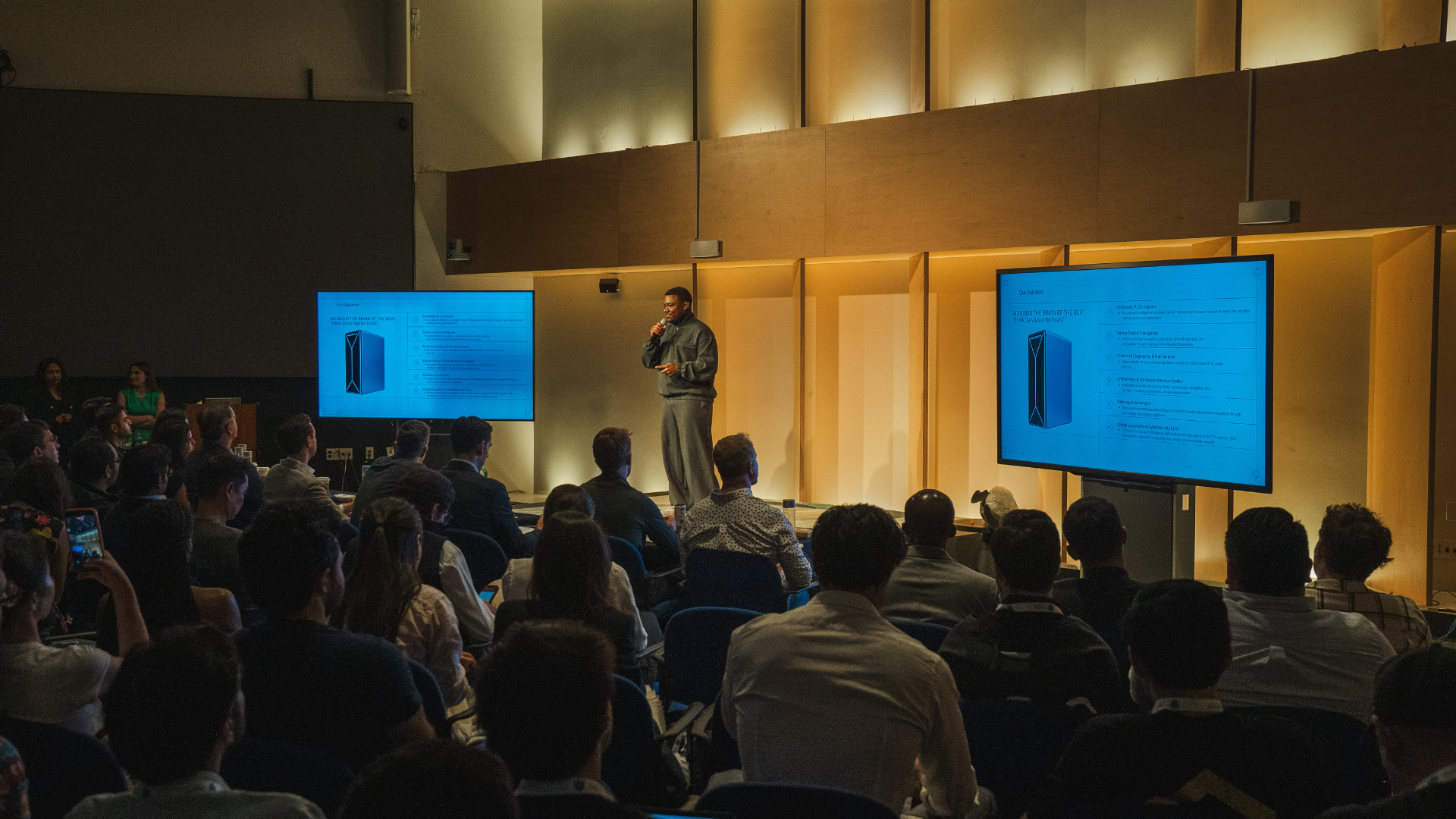
Pollentia was recently featured in Forbes and Yahoo after our CEO Tyler Temple spoke with Sandy Carter at SXSW. The reason that matters is because it lines up with a real shift happening across the world right now. AI is moving out of the cloud and into the real environments where work actually happens.
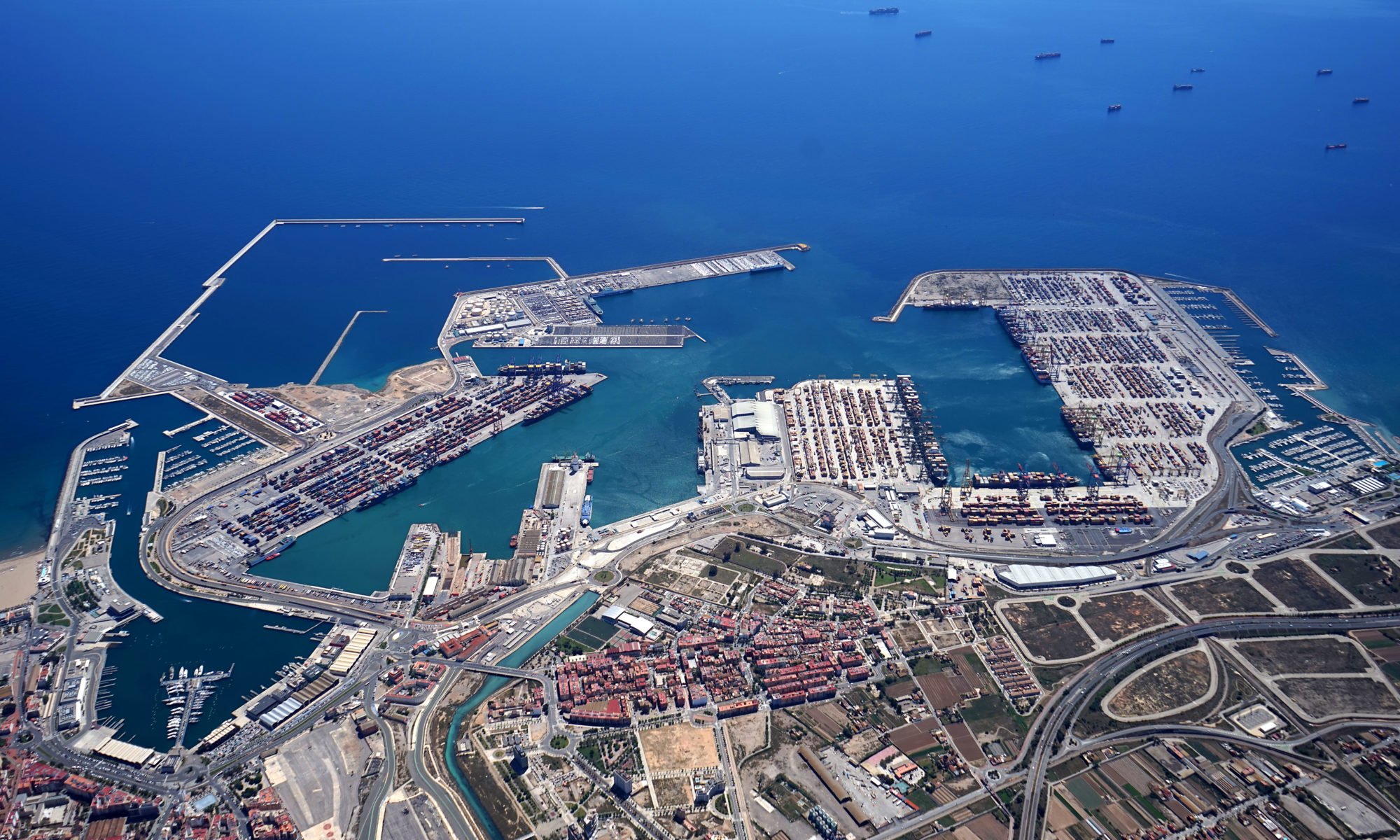
The marine industry is one of the biggest examples of this. Around 80 to 90 percent of global trade moves by sea, with more than 50,000 large merchant vessels moving over 11 billion tons of cargo every year, supporting millions of jobs across shipping, ports, and global supply chains. This is not a small market. It is a core part of how the world runs. At the same time, this is an industry that has not kept up with modern technology. Most vessels still operate on disconnected systems where navigation, engine data, safety, and diagnostics all live in separate places with no unified layer tying them together. While industries like automotive and aviation became software-driven and highly integrated, marine has stayed fragmented.
Now that is starting to change, and the pressure is coming from every direction. Costs are rising, routes are becoming more complex, and safety expectations are higher. The industry is also being pushed to reduce emissions, with shipping responsible for about 3 percent of global emissions. AI is becoming one of the only ways to handle this at scale. The market reflects that shift. Maritime AI was estimated at around 4 billion dollars in 2024 and is expected to grow past 30 billion by 2030, with strong growth driven by autonomy, fleet intelligence, and onboard systems becoming standard across vessels.
At the same time, companies in defense and deep tech are already proving that cloud-only systems are not enough. The Forbes article highlights how leaders like Palantir and Anduril are building offline AI systems because real-world environments cannot depend on constant connection. That is exactly the reality at sea. A vessel can be hundreds of miles offshore with limited or no signal, and when something goes wrong, decisions need to happen instantly. Waiting on a round trip to the cloud is not practical, and in some cases it is unsafe.
That is the gap Pollentia was built to solve. From real experience at sea, the problem was clear. Systems need to work where the vessel is, not somewhere else. As Tyler Temple put it, “A vessel 200 miles offshore cannot wait for a round trip to the cloud to make a critical decision. We built intelligence that lives where the work happens, onboard, in the moment, alongside the crew.”
Pollentia is building an embedded AI system that sits directly on the vessel and brings together navigation awareness, safety systems, diagnostics, predictive maintenance, cybersecurity, and real-time decision support into one platform that runs onboard. This is not about adding another tool, it is about creating a core system that everything runs through. The impact of this shift is already clear across the industry. AI systems are showing the ability to reduce fuel costs by tens of thousands of dollars per vessel per year, cut close-call incidents by over 30 percent, and improve efficiency and emissions outcomes across fleets.
Over the past year, Pollentia has moved from early concept into real traction, with over 30 manufacturers in active conversations, pilot programs scheduled across Q1 and Q2, early vessels being outfitted with the system, and a growing dealer and partner network supporting deployment.
This is the beginning of a much larger rollout. The focus now is converting pilots into long-term OEM agreements, expanding into commercial fleets, and continuing to build out the AI Co-Captain and Global Network.
The direction is clear. AI is no longer just something that lives in the cloud. It is moving into the real world, into systems that have to work without delay, without failure, and without relying on constant connection. The marine industry is one of the largest and most important environments where this shift is happening, and Pollentia is building directly for that reality.
Read More: Forbes
Read More: Yahoo