

The PEIC Resilience Forum is part of PEIC 2026, the Port Entrepreneurship International Congress, one of Europe's leading gatherings for port and logistics innovation. The day looks at how sensing and monitoring can help ports understand risks, detect changes and strengthen resilience across three layers:
- Under the water: monitoring subsea infrastructure, vessels, underwater activity and environmental conditions below the waterline
- At the surface: monitoring port infrastructure, equipment and operations to improve visibility and detect issues early
- From the air: satellite, drone and aerial technologies that cover larger areas and add information across the port
Pollentia joins TUCCO, EONSEA, Sinay, AllRead, Outsight, Nextérité, Kelluu, TITAN4, SKYCORP Technologies and SkyeBase for a day of use case presentations, 1:1 sessions, introductions and commercial conversations with corporates, port authorities and other stakeholders.
Why Valencia, and why now
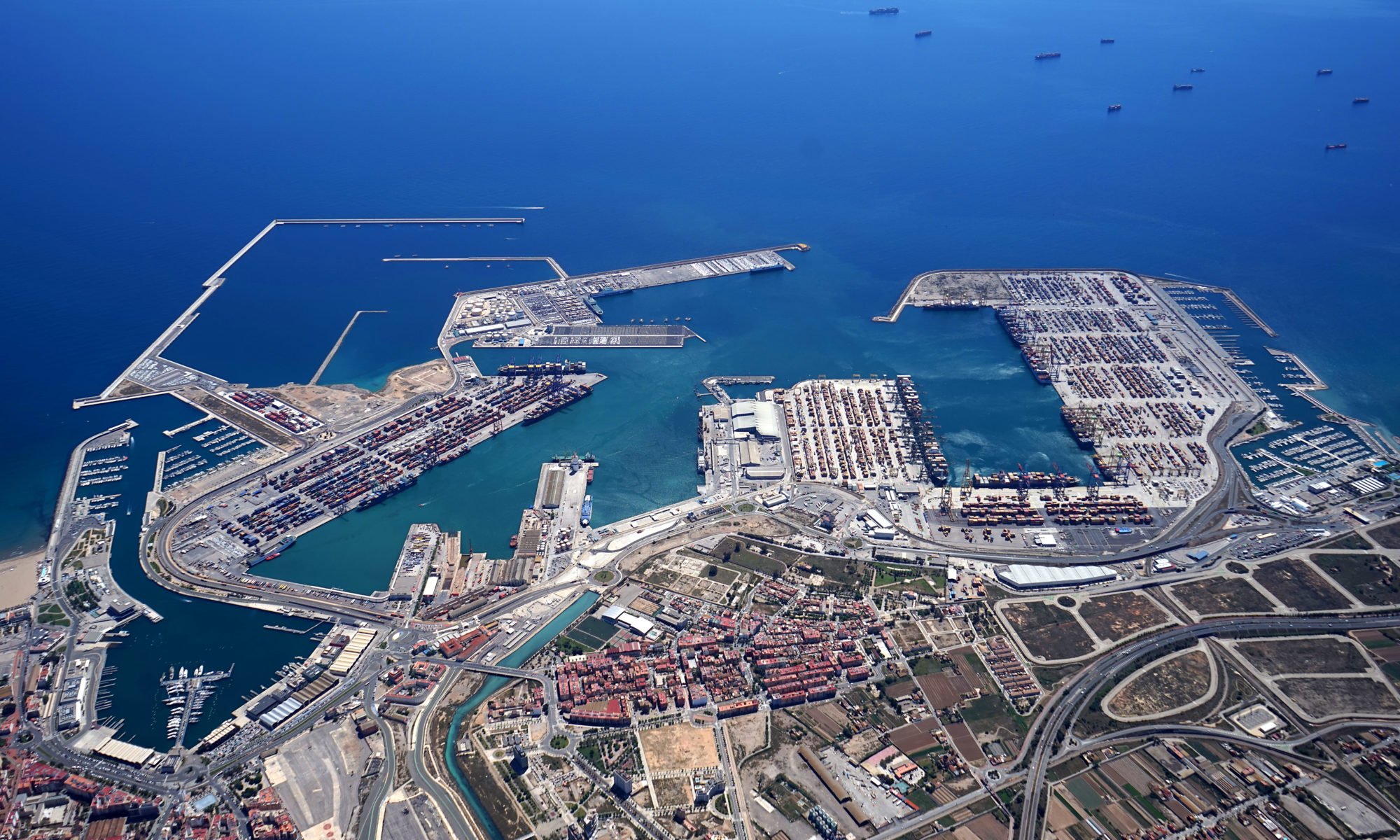
Valencia is one of the most important ports in Europe. Valenciaport handled a record 5.66 million TEU in 2025. That makes it Spain's largest container port and the fourth busiest in the European Union. It is also one of the continent's most active port innovation communities, with Fundación Valenciaport and Opentop working to move new technology from pilot to real operations.
PEIC 2026 reflects that ambition. More than 70 companies from around the world applied, and startups were selected from 12 countries across the Americas, Europe and Asia. The wider congress runs October 21 and 22 within the Valencia Digital Summit. It covers four themes: the blue economy, supply chain efficiency, safety and resilience, and sustainability and the energy transition.
Resilience has moved to the top of the agenda for ports everywhere. Traffic is growing, vessels are getting larger, and schedules are tighter. At the same time, ports face more pressure from weather, supply chain shocks and aging infrastructure. When something goes wrong at a major port, the effects reach terminals, shipping lines, cargo owners and whole regional economies within hours.
The blind spot inside the ship
Ports have become very good at watching ships from the outside. Cameras, radar, AIS, drones and satellites show where a vessel is, how fast it is moving and where it is heading. None of them can show what is happening inside the vessel: whether an engine is running hot, a generator is drifting out of spec, a gearbox is wearing, or a pump is on its way to failure.
That blind spot matters. In March 2024, the container ship Dali lost power while leaving the Port of Baltimore and struck the Francis Scott Key Bridge. The bridge collapsed, the port's main channel closed for weeks, and one vessel's onboard failure became a regional disruption. The lesson for every port is clear: resilience depends on the health of the ships moving through it, not only on what can be seen from the shore.
Most vessels already generate the data that could warn of these failures. Engines, generators, propulsion systems and pumps report constantly across the ship's internal networks. But that data is usually locked in manufacturer-specific formats, overwritten within hours, and never turned into a decision anyone can act on. The warning signs are there. Nobody is reading them.
The view from inside the vessel
Pollentia builds Co-Captain, an onboard intelligence system for commercial vessels, harbor craft and fleets. Co-Captain connects to the systems a vessel already has and turns their data into one live picture of the vessel's health. It works in four steps:
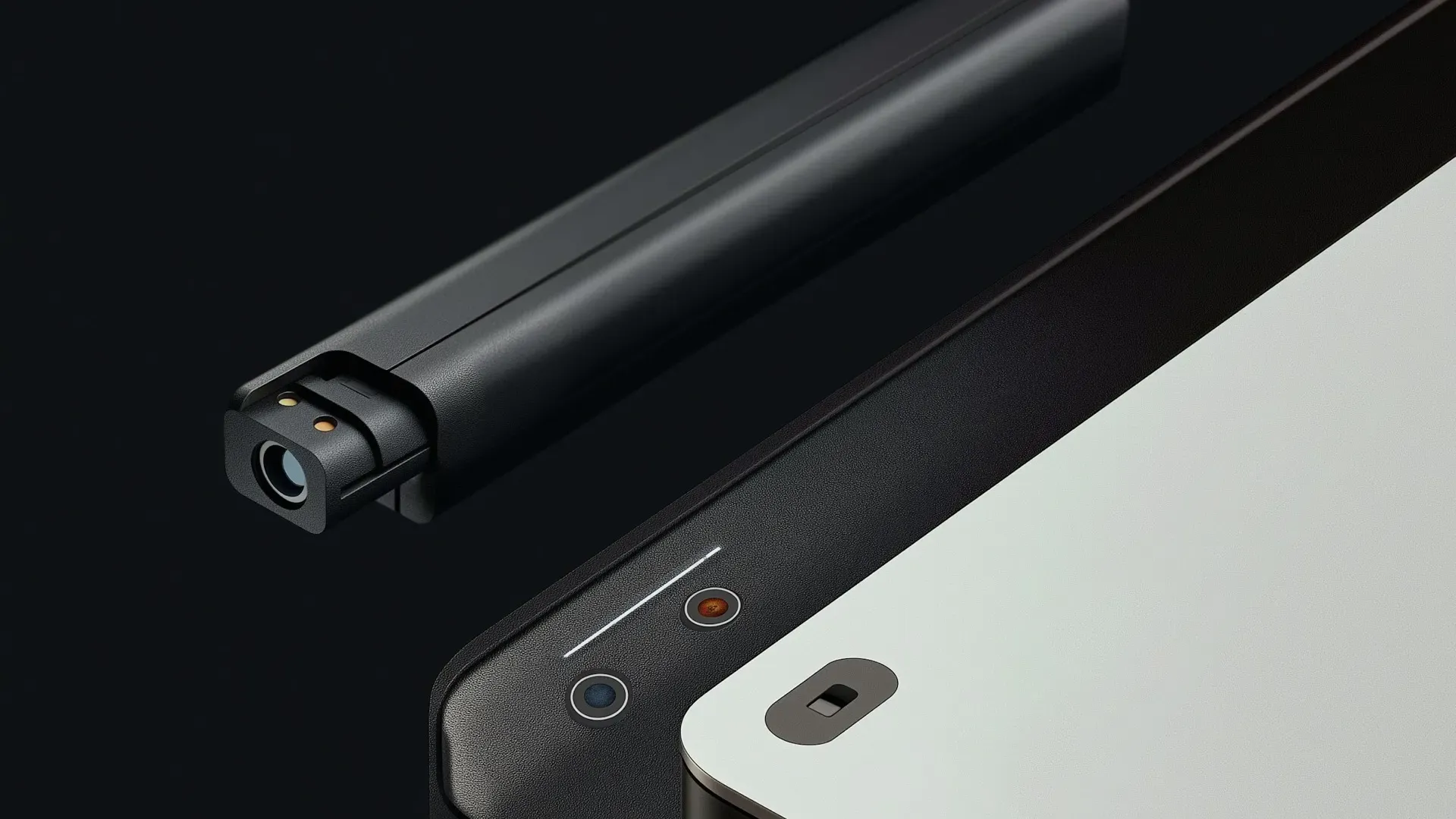
- Connect. A small, read-only onboard computer plugs into the vessel's existing networks. There are no new sensors to install and no equipment to replace.
- Decode. Co-Captain translates machinery data from different manufacturers into clear, named readings across engines, generators, gearboxes, pumps, electronics and sensors.
- Learn and detect. The system learns each vessel's healthy baseline and flags deviations early, before they show up as alarms or breakdowns.
- Diagnose and advise. Co-Captain identifies the likely root cause, ranks the alternatives, and tells the crew what to fix and how much time they have.
Everything runs onboard with no shore connection required, so the system keeps working where connectivity is least reliable. Every finding traces back to the underlying machinery data, so engineers, operators and inspectors can see exactly why the system reached its conclusion. The first phase is advisory: Co-Captain reads and recommends, and people stay in control of every decision.
What it means for the port
The Resilience Forum's three layers cover the water, the surface and the sky. Co-Captain adds a fourth view, the machinery inside every vessel. For different parts of the port community, that means:
- Port authorities gain earlier warning of the vessel failures that cause channel closures, blocked berths and safety incidents.
- Towage and harbor service companies can monitor the health of the tugs, pilot boats and service craft the port relies on every day, and cut unplanned downtime on the vessels that keep the port moving.
- Ferry and passenger operators get continuous machinery monitoring on vessels that run long hours on fixed schedules, where one breakdown affects thousands of passengers.
- Terminal operators and shipping lines see fewer surprises at the berth, with vessels arriving with a verified record of their condition and problems caught before they cause delays.
- Insurers and classification partners gain a traceable, data-backed record of how vessel machinery actually performs over time.
"Ports are investing heavily in seeing everything around the ship. We want to add the one view they are missing, which is what is happening inside it," said Tyler Temple, Founder and CEO of Pollentia. "A vessel that knows its own condition is safer for its crew and safer for the port it is entering. Valencia is one of the most advanced port communities in the world, and we are coming to find the partners who want to prove that out on the water."
Built by people who have kept ships running
Pollentia was founded by Tyler Temple, a U.S. Navy veteran who served as a Damage Controlman and aviation mechanic. His work included keeping shipboard systems running when equipment failed. That experience shaped how Co-Captain works. Crews rarely lack data. What they lack is time, clear answers and a way to see a problem coming before it becomes an emergency.
Pollentia launched Co-Captain and the Pollentia Global Network at SXSW in March 2026, and was featured in Forbes in April for its work on onboard AI. The system has been validated on multiple vessels in lab and live environments and tested against hundreds of hours of real vessel data. Pollentia is now moving into commercial programs in the United States and Europe, backed by a pipeline of more than 50 builders and operators.
What Pollentia is bringing to Valencia
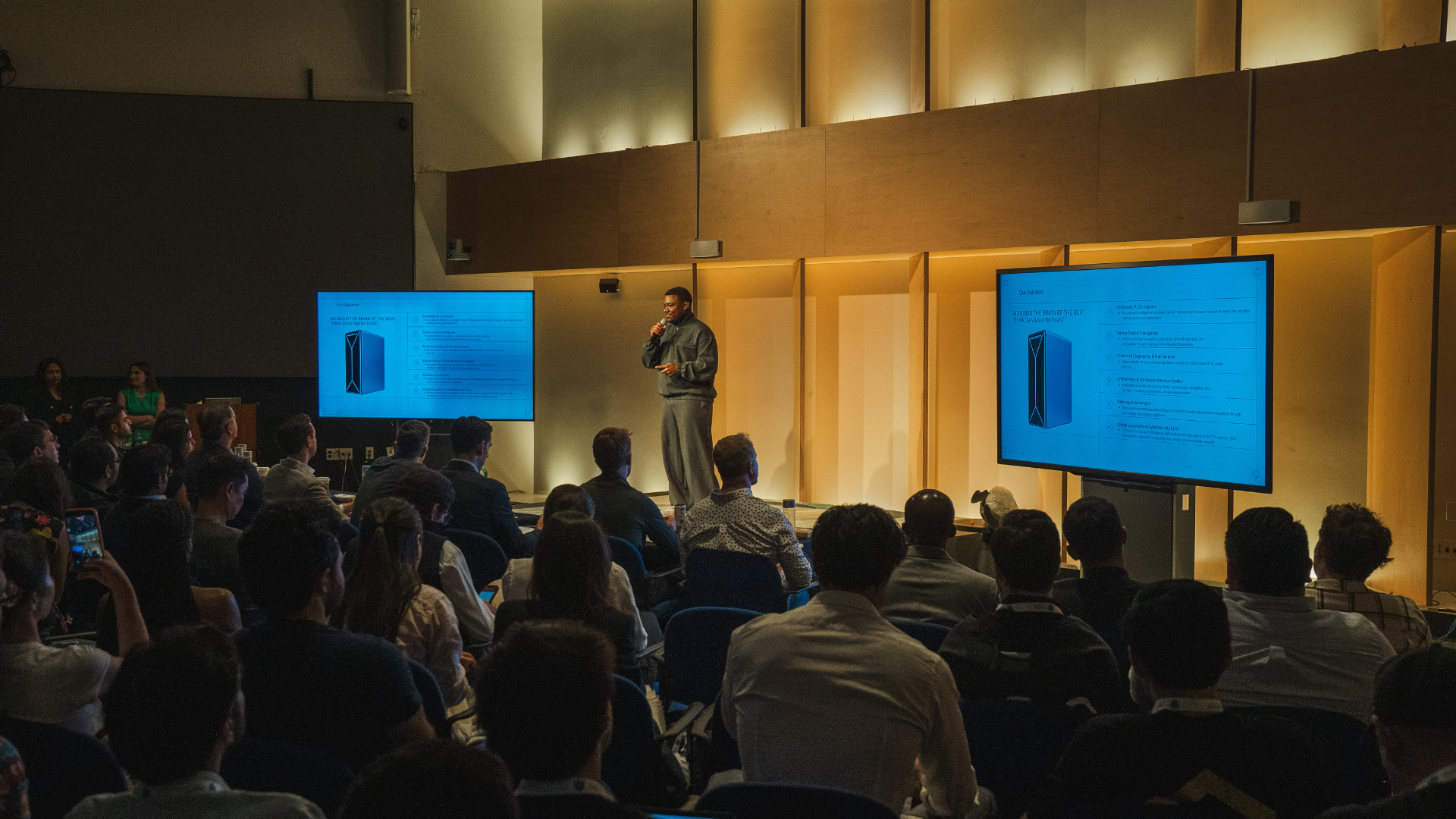
At the Resilience Forum, Pollentia will present how Co-Captain supports port resilience in three ways:
- Early warning on critical machinery, so developing failures are caught days ahead instead of discovered at the berth or in the channel
- Traceable diagnostics, where every finding links back to the underlying data, the likely cause and the recommended repair
- Fleet-level visibility for port operators, harbor service companies and shipping lines running multiple vessels through the same port
The team is especially interested in meeting port authorities, towage and harbor service operators, ferry operators and shipping lines. The goal is to scope pilots on working vessels in and around Valencia and other European ports.
Beyond the forum
After the Resilience Forum, the Pollentia team will join the wider PEIC 2026 program and the Valencia Digital Summit on October 21 and 22. That includes a visit to the Port of Valencia and meetings across the Valenciaport innovation community.
Attending PEIC and want to see how Co-Captain could work on your fleet? Request a meeting with the Pollentia team through the forum's 1:1 sessions, or contact us at pollentiainc.com